
.svg)

.svg)
Description
Overview
All petroleum industry jobsites are potential locations of the gas. To predict likely locations of H2S, you first need to be aware of the physical properties of the gas itself. What it is like and how it behaves provide general clues about potentially hazardous situations. This type of information can then be used to avoid exposure, injury and possible death.
Learning Outcomes
Upon completion of this course, the participants should be able to:
- Understand OSHA and other standards applicable related to Hydrogen Sulfide.
- Understand Hydrogen Sulfide Training course content delivery.
- Understand and demonstrate how to conduct Hydrogen Sulfide Training.
Target Audience
Potential safety personnel, supervisors or anyone who may be involved in training activities for the workforce.
Course Outline
Day 1
- What is H2S
- Physical and Chemical Properties
- Anatomy and Physiology
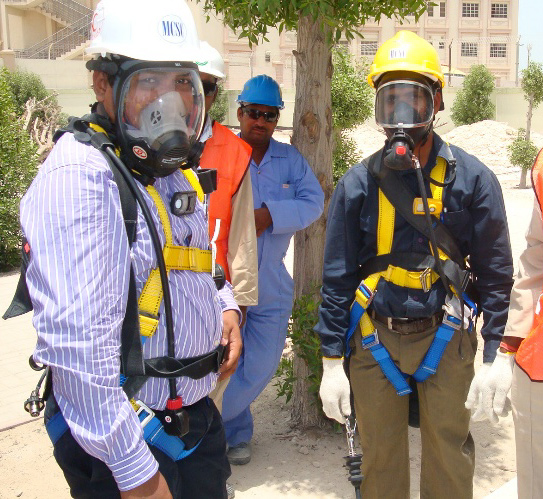
- Personal, Protective Equipment – Respiratory Protection
- Detection and Monitoring Exposure
- Rescue Plan
- Safe Work Practices
- Contingency Plans
Day 2
- Case Studies
- Training techniques
- Applicable OSHA and consensus standards Issuing of work permit
- Area risk assessment
- Area H2s testing
- Exposure
- Rescue Techniques
Course Approvals